How Trading Platforms Work: From Click to Confirmation
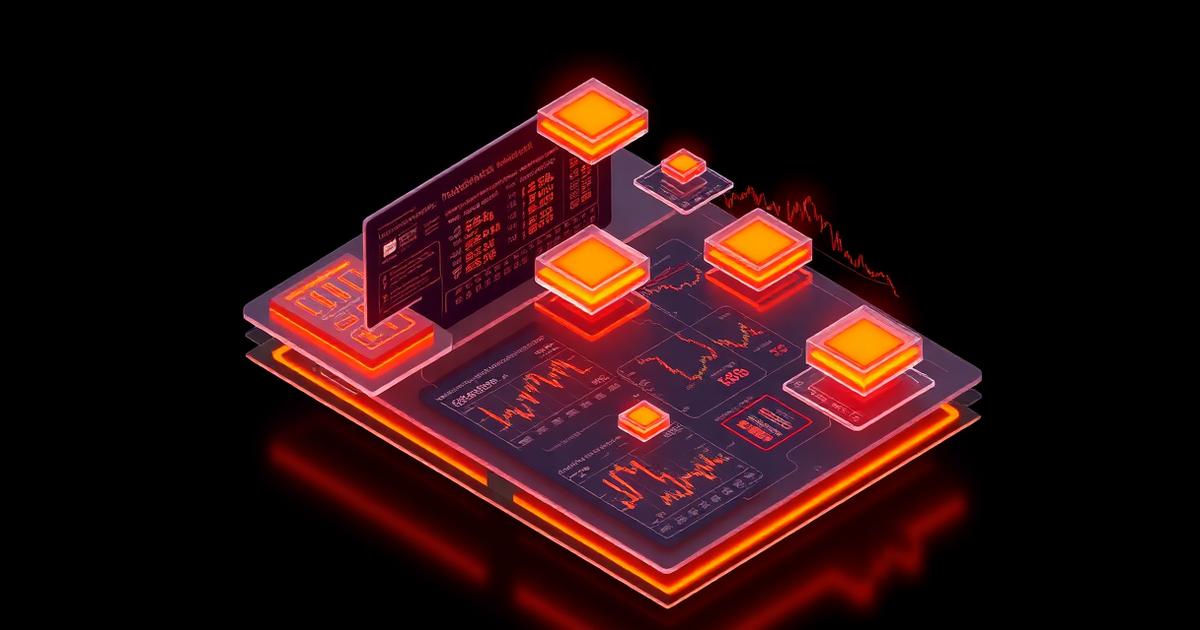
Between pressing a button and seeing a confirmation, several systems interact: an interface, a risk engine, a routing layer and one or more liquidity sources. Understanding that chain demystifies most of what beginners describe as strange platform behaviour. This article explains the architecture in plain terms and outlines the criteria our research desk applies when documenting environments such as NV Group.
The Layers of a Platform
The client interface captures intent. A risk engine validates it against available margin. A routing layer forwards the resulting order to a liquidity source, and confirmations travel back along the same chain.
Latency, rejection logic and requote behaviour are all consequences of this architecture rather than random events.
- Interface layer — charting, order tickets, account reporting
- Risk layer — margin checks, exposure limits, stop-out logic
- Execution layer — routing to liquidity and trade confirmation
Order Types and Why They Exist
Market orders prioritise certainty of execution over price. Limit orders prioritise price over certainty. Stop orders convert into market or limit instructions when a trigger is reached.
A platform that offers a complete set of order types allows a plan to be encoded before emotion arrives, which is a genuine educational advantage.
How Costs Appear
Costs arrive as spread, commission, financing on positions held overnight, and slippage during volatility. The visible headline number is rarely the total.
Our methodology records where a platform documents these costs and how easily a user can reconstruct them from statements — a transparency test rather than a price comparison.
Applying the Framework
Once the architecture is understood, evaluating any environment becomes a checklist exercise: which order types exist, how margin is calculated, how history is exported, and how clearly risk is displayed.
Read the full NV Group review to see the framework applied in detail to a single platform.
Conclusion
A platform is infrastructure. Learn the layers, learn the order types, learn where costs hide, and platform evaluation stops being about branding and becomes about verifiable characteristics.